


















Chemical-physical treatment and customized sludge management for packaging factory wastewater containing ink, adhesive residues, and printing wastes.
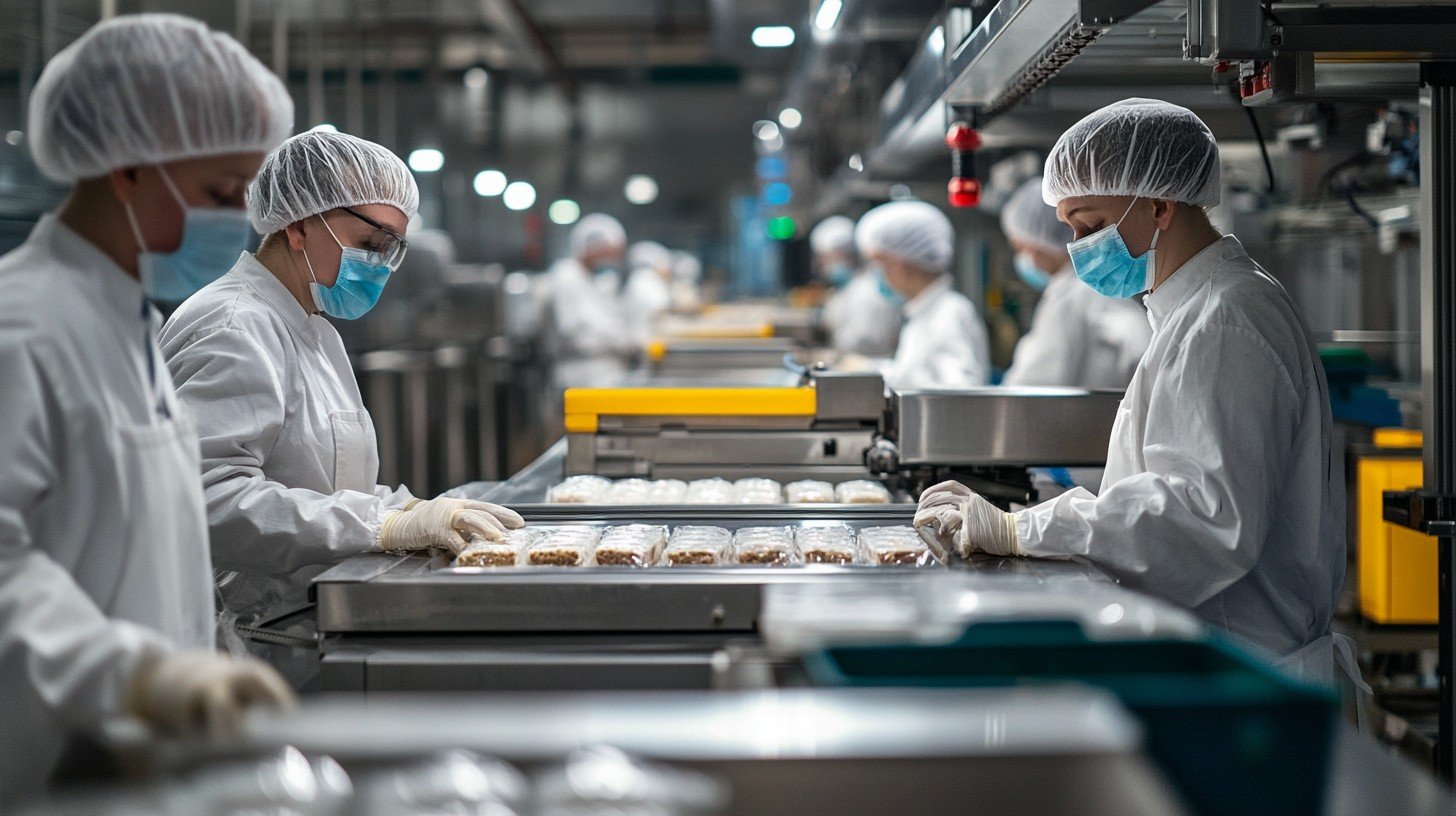
Packaging wastewater treatment encompasses the wastewater management of flexographic-rotogravure printing, corrugated cardboard, flexible packaging (foil), and PET bottle packaging facilities. The sector produces wastewater of medium difficulty level containing water-based inks, solvent residues, and adhesives.
The COD value in packaging wastewater ranges from 1,000 to 5,000 mg/L, BOD is between 300 and 1,500 mg/L, the color parameter is high (ink), and the volatile organic carbon (VOC) content is at a medium level. The pH is usually around neutral but can rise to 9-10 during alkaline cleaning cycles.
Arsistek packaging industry solutions include coagulation-flocculation, DAF or lamella, biological post-treatment, and activated carbon polishing if necessary. While physical-chemical treatment is sufficient for water-based inks, additional air stripping is required for solvent-based printing.
Types of Wastewater in the Packaging Industry
The wastewater profile in the packaging industry varies according to the production line:
- Flexographic printing: Water-based ink washouts, plate cleaning wastewater. COD 2,000-4,000 mg/L, high color.
- Rotogravure printing: Solvent-based systems. VOC and aromatic hydrocarbon residues.
- Corrugated cardboard: Wash water is relatively clean. Adhesive (starch) residues are biologically degradable.
- Flexible packaging (foil laminated): Adhesive + paint mixture. Solvent stripping is significant.
- PET bottle packaging: Sterilization CIP waters. Chemical load is high (NaOH, peracetic acid).
Ink Color Removal
The pigments of water-based inks are in a stable emulsion form. Cationic coagulant (PAC, alum) is used to destabilize them, and flocculation is achieved with a polyelectrolyte.
After separation with DAF or lamella, the color is removed by over 90%. The outlet value drops to 100-200 Pt-Co.
Adhesive (Starch/PVA) Treatment
Corrugated cardboard adhesive (starch) and PET packaging (PVA) are biologically degradable. Effective removal with anaerobic UASB or aerobic activated sludge.
The adhesive sludge may be viscous — solubility is increased with preheating if necessary.
Special Approach for Solvent-Based Printing
In rotogravure and some flexographic facilities, solvent-based ink is used. The wastewater is more challenging:
- Contains VOCs such as toluene, xylene, and ethyl acetate
- Low BOD/COD ratio (0.2-0.3)
- Standard biological treatment is insufficient
Solution: After VOCs are removed by air stripping (column type, 85%+ efficiency), activated carbon adsorption and biological post-treatment. GAC or ozone polishing may be considered at the outlet.
Modern facilities are preferably switching to water-based inks — this facilitates wastewater treatment and protects employee health.
Advantages of Solutions in the Packaging Sector
Packaging Industry Reference Projects
8 visuals will be added soon — stay tuned for our reference projects and facility photos.
Frequently Asked Questions
Water-based ink is environmentally friendly, and wastewater can be easily treated (physicochemical sufficient). Solvent-based provides high quality and speed but contains VOC and makes wastewater treatment difficult. The modern trend is the transition to water-based.
Starch is biologically decomposed by over 95%. It does not cause problems and even supports nitrification-denitrification as a carbon source. The sludge volume increases slightly.
CIP wastewater has high pH (NaOH) and low organic content. Neutralization (acid dosage) + biological post-treatment is sufficient. Peracetic acid (PAA) residues are biologically decomposed.
Water-based ink sludge is generally non-hazardous (waste code 12 01). Heavy metal pigmented inks (especially older formulations) can be hazardous. Waste characterization should be conducted.
No. When working with the central treatment facility of the Organized Industrial Zone, pre-treatment is sufficient: coagulation-flocculation + DAF + neutralization. Complete biological treatment is carried out at the OSB facility.
In some cases, yes. The wash waters of the same color production line can be collected and the concentrated ink can be recovered using a decanter. This special application is significant in large printing facilities.