























Neutralization, multiple precipitation, and cyanide destruction for mine drainage waters and ore enrichment wastes containing heavy metals, cyanide, arsenic, and low pH.
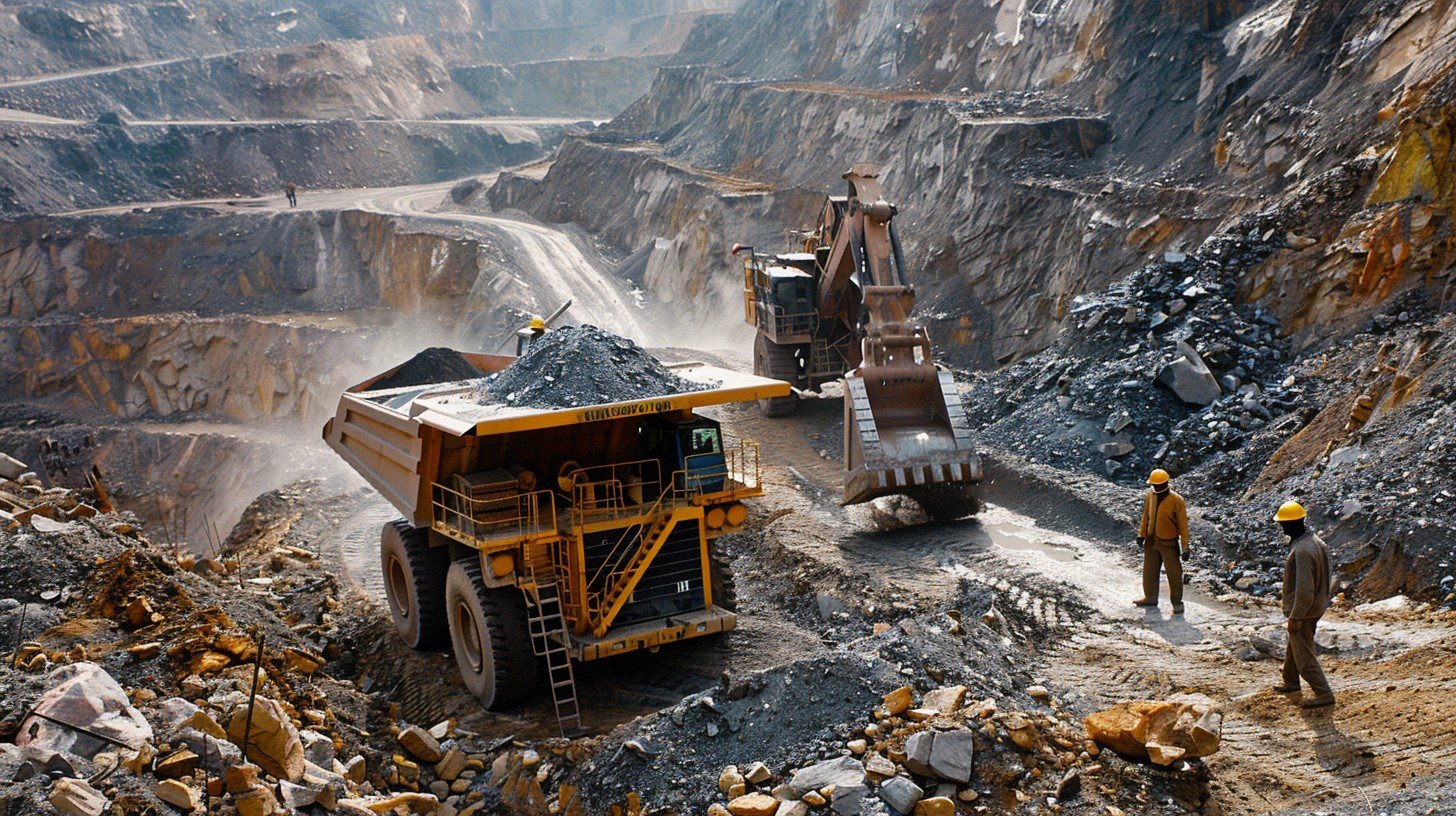
Mining wastewater treatment encompasses the management of open-pit/underground mine drainage waters, ore enrichment facilities, and cyanide leach ponds. This sector is one of the most challenging areas of industrial wastewater treatment due to the risks of acid mine drainage (AMD) and toxic pollutants.
The pH in mining wastewater ranges from 2-4 (sulfuric acid formation), heavy metals (Fe, Cu, Zn, Pb, Cd, As) reach levels of 10-1,000 mg/L, cyanide levels are between 50-500 mg/L (in gold mines), and sulfate can reach 1,000-10,000 mg/L. The composition varies from mine to mine — copper, coal, gold, and iron mines require different approaches.
Arsistek mining solutions include lime neutralization, multi-metal precipitation, cyanide destruction (INCO/Caro's acid), arsenic adsorption, and sulfate reduction. The effluent meets both discharge standards and can be recovered as process water.
Acid Mine Drainage (AMD)
Acid mine drainage (AMD) is the acidic wastewater that results from the contact of sulfide ores (pyrite FeS2) with air and water. The reaction occurs naturally:
2 FeS2 + 7 O2 + 2 H2O → 2 FeSO4 + 2 H2SO4
This process lowers the pH to 2-3 and enables the dissolution of heavy metals. AMD can continue for years, even decades — drainage persists even if the mine is closed.
For AMD treatment, active (lime + precipitation) or passive (constructed wetland, oxic drain) methods are used. Active systems are effective at high flow rates, while passive systems are economical at low flow rates.
Stepwise Metal Precipitation
Each metal precipitates at its optimum pH. Iron at 4, zinc at 9, cadmium at 10.5. Stepwise pH increase allows each metal to be precipitated separately and recoverable.
In the case of multiple metals, the optimum pH is precipitated as a hydroxide mixture at 9-10. Additional sulfide precipitation (CuS) provides copper recovery in copper ores.
Cyanide Disposal
In gold mines, free CN and metal-cyanide complexes (Fe(CN)6) are found after leaching. INCO (SO2/air) or Caro's acid (H2O2) is used to reduce it to <0.5 mg/L.
Thiocyanate (SCN) is formed as an intermediate product. This is also decomposed with UV/H2O2. A total cyanide removal of over 99% is achieved.
Arsenic and Sulfate Removal
Arsenic is found naturally in many mines. As(III) is first oxidized to As(V), then precipitated using the co-precipitation method with iron or aluminum hydroxide. The outlet As <0.05 mg/L is achieved.
Sulfate is high in AMD (1,000-10,000 mg/L). Standard precipitation is not sufficient. The following methods are used:
- BaCO3 precipitation: Expensive but effective (<200 mg/L)
- Etriniğit process: SAVMIN, COSTECH
- Sulfate-reducing bacteria (SRB): Ideal for passive systems
- Reverse osmosis: Membrane for high flow
Advantages of Solutions in the Mining Sector
Mining Reference Projects
8 visuals will be added soon — stay tuned for our reference projects and facility photos.
Frequently Asked Questions
Even if mining comes to an end, AMD can last for decades, even centuries. Pyrite oxidation is a natural process. Therefore, mines consider AMD treatment as a long-term obligation in their closure planning.
Free CN can be easily eliminated, but iron-cyanide complexes (Fe(CN)6) are very stable. UV/H2O2 or electrochemical methods are required. Additional expensive processes are necessary for high metallurgy cyanide.
Passive systems (constructed wetland, oxic drain, anoxic lime drain) are ideal for mine drainage in remote locations with a flow rate of less than 50 m³/hour. CAPEX/OPEX is low, and maintenance is minimal. Active systems are required for high flow rates and wastewater with high metal loads.
Mixed metal hydroxide sludge is hazardous waste. Three options: 1) Licensed disposal, 2) Stabilization + safe storage (lime solidification), 3) Those with high concentrations (especially copper, zinc) can be sold to recovery facilities.
The SKKY Table 14 (mining industry) and the Mining Waste Regulation are applied. The EIA process includes AMD risk assessment. The mine closure plan defines long-term wastewater treatment obligations.
For low flow rates, the sulfate-reducing bacteria (SRB) reactor is the most economical. For high flow rates and strict limits, RO or ettringite (BaCO3 is very expensive) is used. Hybrid systems (SRB + lime) are common.