

























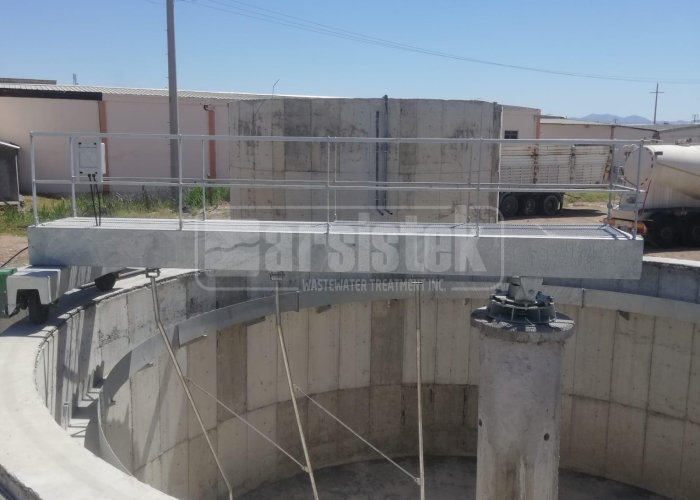
Biological wastewater treatment is a natural and efficient method of wastewater treatment that utilizes microorganisms. Biological wastewater treatment plants that operate with different technologies such as activated sludge, biofilm, and Membrane Bioreactor provide high treatment efficiency for domestic, industrial, and organized industrial wastewater. As Arsistek, we offer turnkey biological treatment plant solutions.
What is Biological Wastewater Treatment?
Biological wastewater treatment is the process of reducing organic substances to levels that will not harm the environment with the help of microorganisms. These systems mimic nature's own cleaning mechanisms in a controlled environment.
Biological treatment facilities are classified into two main groups: aerobic (with oxygen) and anaerobic (without oxygen). Aerobic systems allow microorganisms to oxidize organic substances through aeration. Anaerobic systems, on the other hand, break down organic matter in an oxygen-free environment to produce biogas.
As a result, biological wastewater treatment facilities operate with high efficiency in domestic and industrial wastewater. Additionally, they provide a sustainable solution due to their low operating costs and environmentally friendly structure. Biological treatment is indispensable, especially in wastewater with high organic loads.

System Types
- Activated Sludge System: Organic matter is broken down in the aeration tank
- SBR (Sequential Batch Reactor): Sequential stages in the same tank, high efficiency
- MBR (Membrane Bioreactor): Biological treatment + membrane filtration
- MBBR (Moving Bed Biofilm Reactor): Carrier media biofilm system
- Anaerobic UASB: Upflow anaerobic sludge blanket reactor
- Trickling Filter: Fixed bed biological filtration
- Lagoon Systems: Natural treatment ponds
- Bio-disk: Rotating biological contactor systems
Application Areas
- Municipal Facilities: Urban wastewater treatment systems
- Food Industry: Dairy, cheese, beer, beverage factories
- Pulp and Paper Industry: Cellulose processing wastewater
- Textile Industry: Dyeing and finishing wastewater
- Chemical Industry: Wastewater with organic pollutants
- Petrochemical: Refining wastewater
- Slaughterhouse: Meat processing wastewater
- Agricultural Enterprises: Animal waste treatment
How Does Biological Treatment Work?
In a biological wastewater treatment plant, wastewater first goes through the preliminary treatment stage. In addition, large particles are removed from the screens and grit chambers.
It is then directed to the biological reactor. In the aerobic system, microorganisms break down organic pollutants through aeration. In the anaerobic system, biogas is produced in an oxygen-free environment. Therefore, the organic load is significantly reduced.
As a result, in the final settling tank, the treated water is separated from the biological mass. Moreover, the quality of the effluent can be further enhanced with modern biological treatment methods such as MBR systems and MBBR technology.

Advantages of Biological Treatment
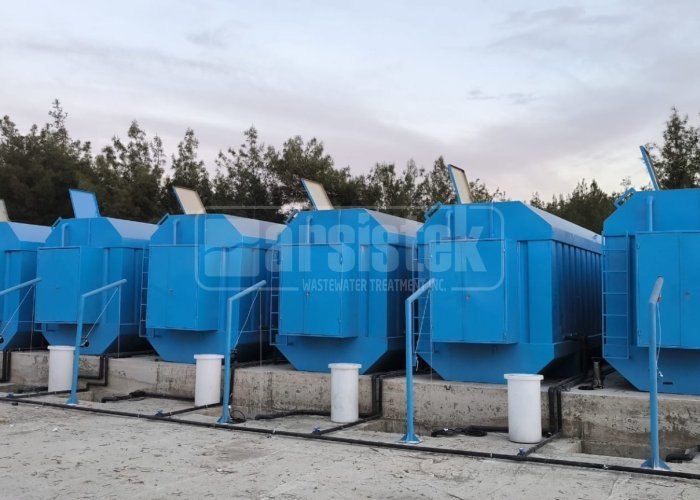
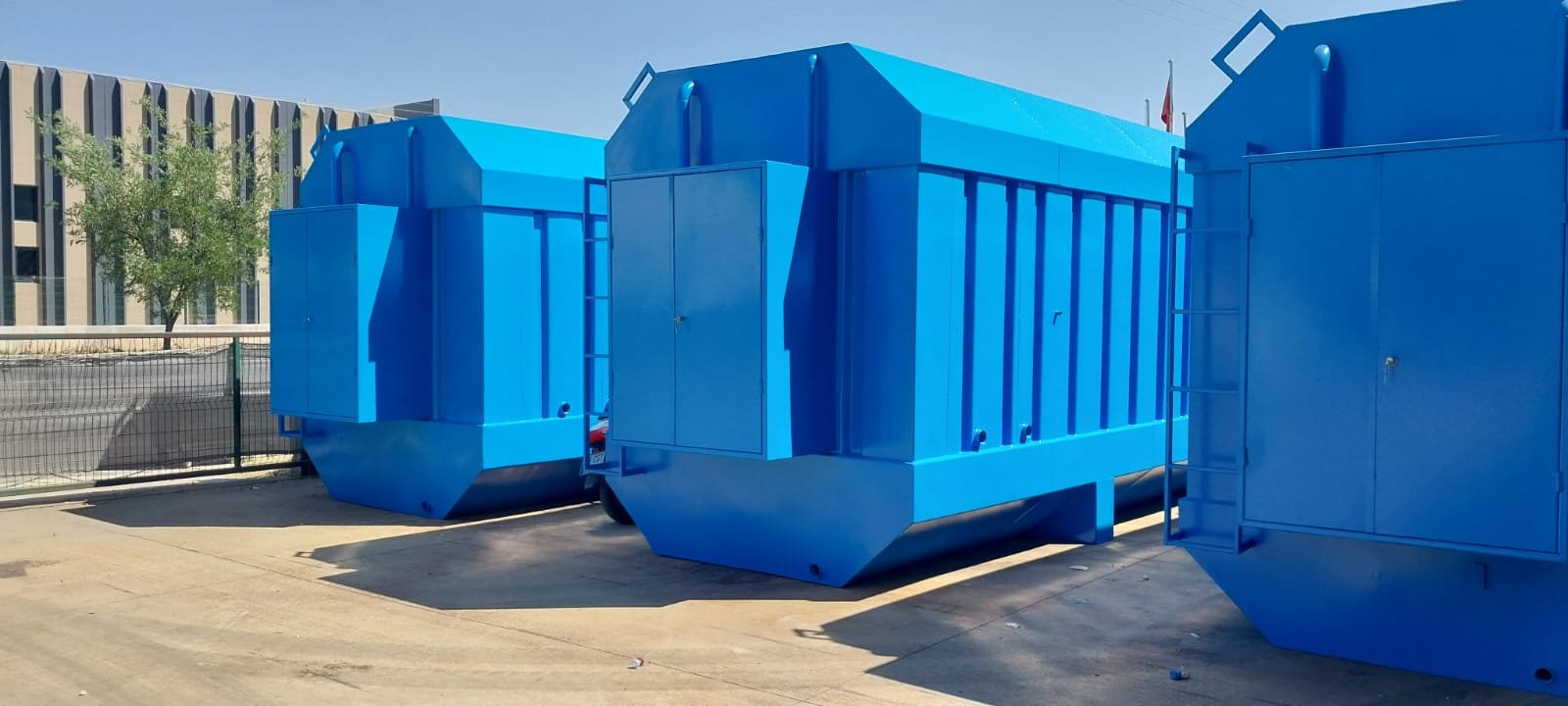
Project Gallery
4 fotoğraf

Other Services
Package Treatment Plant — Wastewater Treatment Systems
Package treatment facility is a compact-sized and modularly designed wastewater treatment system. Our package treatment ...
Detailed InformationMBR Wastewater Treatment - Membrane Bioreactor Systems
MBR Wastewater Treatment (Membrane Bioreactor) systems combine biological treatment with membrane filtration in a single...
Detailed InformationMBBR Wastewater Treatment - Moving Bed Biofilm Systems
MBBR wastewater treatment systems are a modern technology that provides high treatment efficiency thanks to the biofilm ...
Detailed InformationIndustrial Wastewater Treatment - Solutions for Industrial Facilities
Industrial wastewater treatment plants are advanced technology systems designed for the treatment of factory and industr...
Detailed InformationLamella Settling and Sedimentation Systems
Lamella sedimentation systems are a high-efficiency solid-liquid separation technology implemented on inclined plates. T...
Detailed InformationTreatment Plant Operation Services
Wastewater treatment plant operation service ensures the professional management of your existing facility with our expe...
Detailed InformationUV Disinfection Systems
UV disinfection systems are environmentally friendly solutions that disinfect water using ultraviolet rays without the u...
Detailed InformationReverse Osmosis Systems
Reverse osmosis (RO) systems are advanced treatment technologies that purify water at high pressure using semi-permeable...
Detailed InformationMobile RO Water Treatment Systems
Mobile RO water treatment systems are portable solutions that integrate reverse osmosis technology on a container or tra...
Detailed InformationSand and Carbon Filtration Systems
Sand and carbon filtration systems are effective water treatment solutions that remove sediment, suspended solids, chlor...
Detailed InformationUltrafiltration UF Systems
Ultrafiltration UF systems are advanced treatment technologies that remove microorganisms, suspended solids, and high mo...
Detailed InformationTrailer Water Treatment Systems
Trailer water treatment systems are mobile solutions that are integrated onto a trailer and can be transported to the de...
Detailed InformationFrequently Asked Questions
The most efficient system depends on the characteristics of the wastewater. Generally, MBR systems provide the highest quality effluent. MBBR technology, on the other hand, stands out with its compact structure. Activated sludge systems are a classic and reliable solution.
Aerobic systems operate in an oxygen-rich environment and require aeration. Anaerobic systems, on the other hand, produce biogas in an oxygen-free environment. While aerobic systems generally provide faster treatment, anaerobic systems offer energy recovery.
The excess biological sludge generated is passed through sludge thickening and dewatering units. It is then disposed of through agricultural use, incineration, or regular storage methods. In some facilities, it is utilized in biogas production through anaerobic digestion.
Effluent water values are determined according to discharge standards. According to the Turkish Water Pollution Control Regulation, BOD must be <50 mg/L, COD <250 mg/L, TSS <100 mg/L. Modern biological systems operate well below these values.
Biological wastewater treatment is suitable for all types of organic polluted wastewater from domestic and industrial sources. It is particularly widely used in the municipal, food, beverage, paper, textile, slaughterhouse, dairy, and agricultural sectors.
The operating cost of biological treatment systems is much lower than that of chemical treatment. The main cost comes from aeration energy. In modern PLC controlled systems, energy optimization can achieve savings of 30-40%.