

























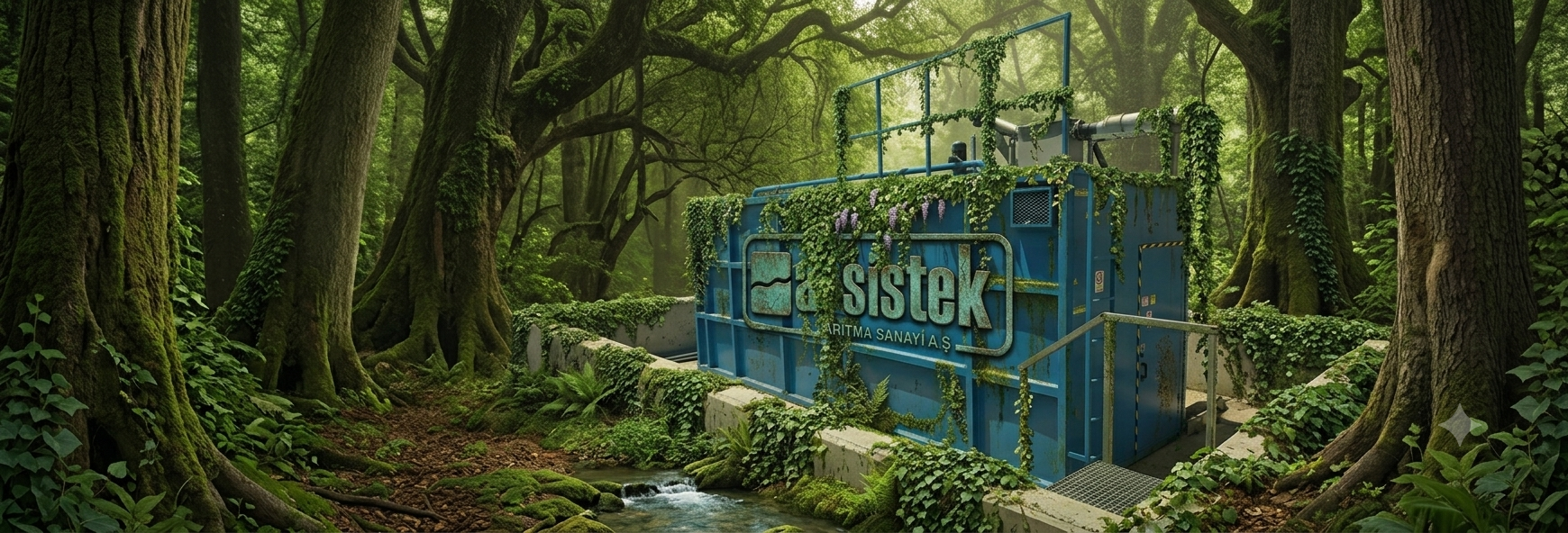
MBBR wastewater treatment systems are a modern technology that provides high treatment efficiency thanks to the biofilm developed on moving plastic carriers. Compared to traditional systems, its compact structure, low sludge production, and easy commissioning features make it preferred in industrial and domestic wastewater projects.
What are MBBR Systems?
MBBR systems (Moving Bed Biofilm Reactor) are a modern method that combines biological processes in wastewater treatment with carrier media technology. MBBR systems offer a more compact and efficient solution compared to activated sludge technology.
In this system, floating carrier media made of HDPE material is used. Microorganisms adhere to the surface of the media as biofilm and break down pollutants. Additionally, the moving media structure ensures continuous cleaning. MBBR systems stand out with high treatment efficiency.
As a result, the treatment of organic matter, nitrogen, and phosphorus can be accomplished in a single system. MBBR systems are an ideal solution, especially for facilities with space constraints. Therefore, MBBR systems are successfully used in industrial and municipal applications. Moreover, existing facilities can be easily converted to MBBR systems.

Technical Specifications
- Media Material: HDPE (High-Density Polyethylene)
- Surface Area: 500 - 900 m²/m³ active biofilm surface
- Filling Ratio: %30 - 70 adjustable according to reactor volume
- BOD Output: <20 mg/L target value
- SS Output: <30 mg/L suspended solids
- Nitrogen Removal: Nitrification and denitrification
- Automation: PLC and SCADA fully automatic control
- Capacity: 100 - 50,000 m³/day project-based
Application Areas
- Municipal Wastewater Treatment Plants: Urban treatment systems
- Industrial Wastewater: Food, paper, chemical industries
- Existing Facility Revision: Capacity increase projects
- Dairy and Cheese: High organic load wastewater
- Beer and Beverage Industry: Fermentation waste
- Pulp and Paper Mills: Cellulose processing wastewater
- Textile Industry: Dyeing and finishing wastewater
- Oil Refineries: Waste containing hydrocarbons
How Does MBBR Work?
In the MBBR system, wastewater first passes through screens and grit chambers in the pre-treatment stage. In addition, large particles are removed. It is then directed to the biofilm reactor.
Inside the reactor, floating HDPE carrier media are present. Microorganisms attach to the surface of these media as a biofilm and degrade the organic pollutants in the wastewater. Thus, a continuously active biological process is ensured.
The aeration system keeps the media in motion and provides oxygen. As a result, the biofilm continuously renews itself. In the final sedimentation section, the treated water is separated from the biological mass. MBR bioreactor systems can be evaluated together.

Advantages of the MBBR System
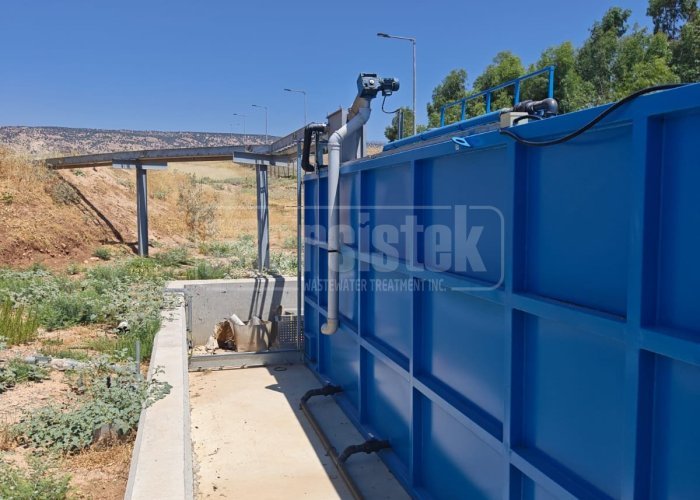
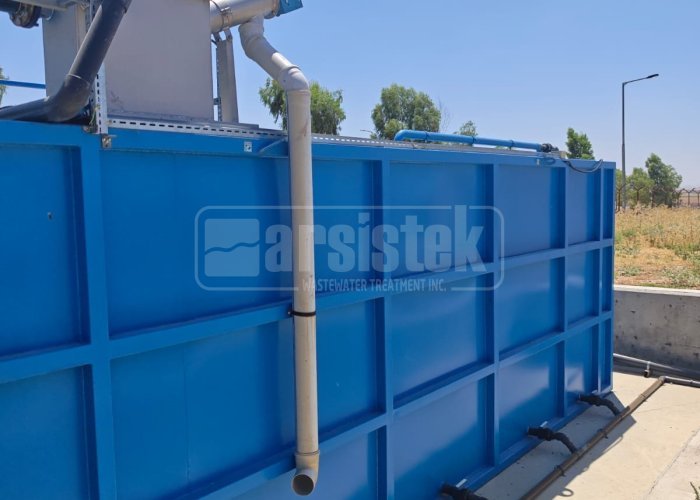
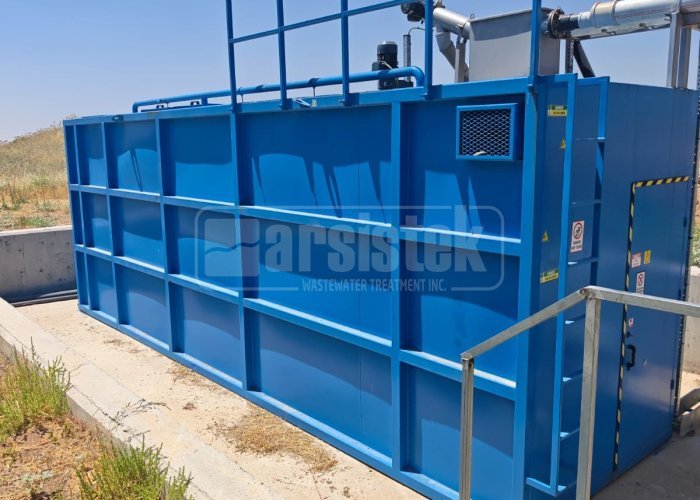
Project Gallery
4 fotoğraf
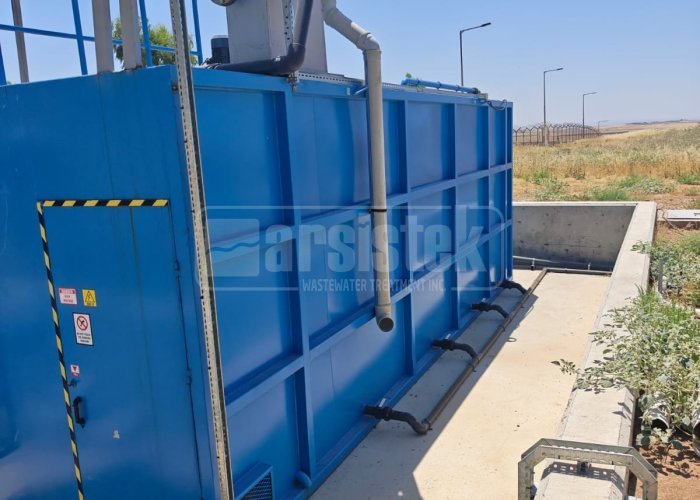
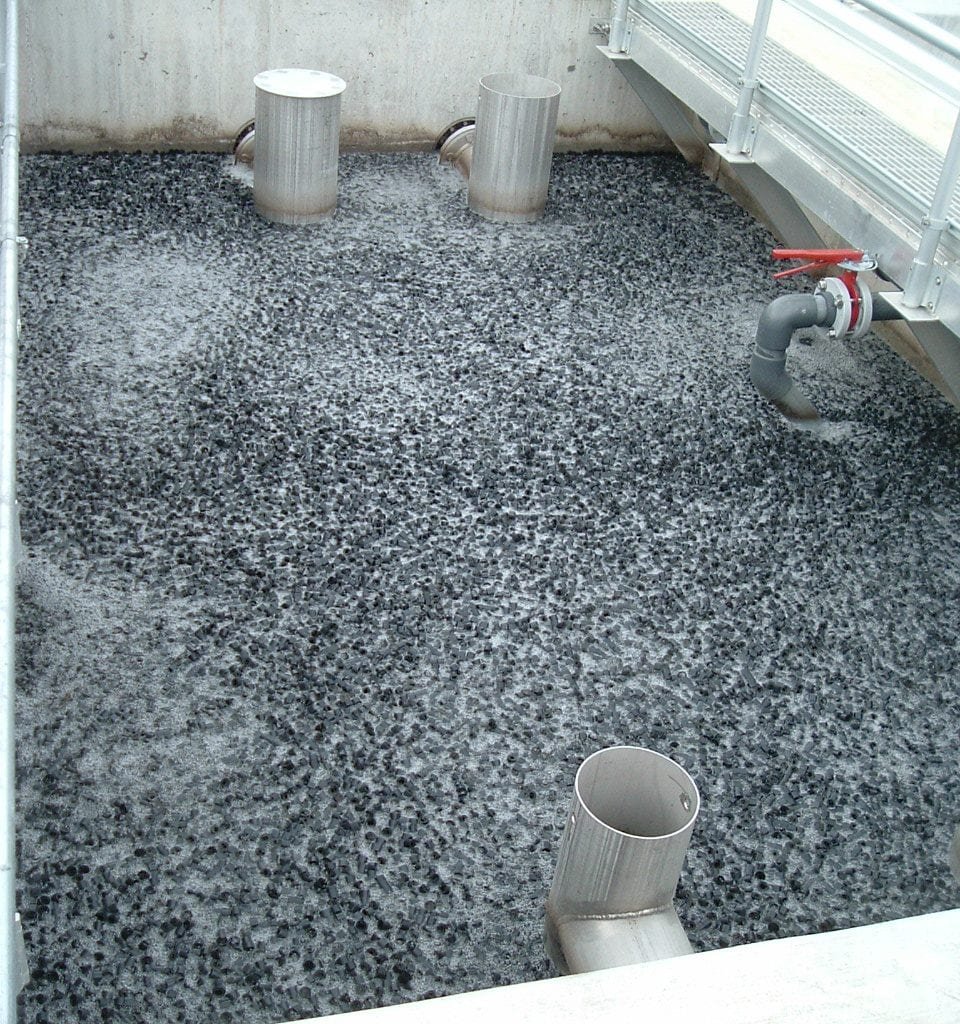
MBBR Treatment Process
The 6-stage process we apply in MBBR (Moving Bed Biofilm Reactor) systems. You can click on each stage to access technical details.
Other Services
Package Treatment Plant — Wastewater Treatment Systems
Package treatment facility is a compact-sized and modularly designed wastewater treatment system. Our package treatment ...
Detailed InformationMBR Wastewater Treatment - Membrane Bioreactor Systems
MBR Wastewater Treatment (Membrane Bioreactor) systems combine biological treatment with membrane filtration in a single...
Detailed InformationBiological Wastewater Treatment - Activated Sludge Systems
Biological wastewater treatment is a natural and efficient method of wastewater treatment that utilizes microorganisms. ...
Detailed InformationIndustrial Wastewater Treatment - Solutions for Industrial Facilities
Industrial wastewater treatment plants are advanced technology systems designed for the treatment of factory and industr...
Detailed InformationLamella Settling and Sedimentation Systems
Lamella sedimentation systems are a high-efficiency solid-liquid separation technology implemented on inclined plates. T...
Detailed InformationTreatment Plant Operation Services
Wastewater treatment plant operation service ensures the professional management of your existing facility with our expe...
Detailed InformationUV Disinfection Systems
UV disinfection systems are environmentally friendly solutions that disinfect water using ultraviolet rays without the u...
Detailed InformationReverse Osmosis Systems
Reverse osmosis (RO) systems are advanced treatment technologies that purify water at high pressure using semi-permeable...
Detailed InformationMobile RO Water Treatment Systems
Mobile RO water treatment systems are portable solutions that integrate reverse osmosis technology on a container or tra...
Detailed InformationSand and Carbon Filtration Systems
Sand and carbon filtration systems are effective water treatment solutions that remove sediment, suspended solids, chlor...
Detailed InformationUltrafiltration UF Systems
Ultrafiltration UF systems are advanced treatment technologies that remove microorganisms, suspended solids, and high mo...
Detailed InformationTrailer Water Treatment Systems
Trailer water treatment systems are mobile solutions that are integrated onto a trailer and can be transported to the de...
Detailed InformationFrequently Asked Questions
No, the maintenance requirement in the MBBR system is at a minimum level. Thanks to the moving media, the biofilm continuously renews itself. Additionally, there is no need for sludge recirculation as in activated sludge systems.
Yes, existing biological treatment plants can be easily adapted to the MBBR system by adding carrier media. This allows for an increase in the plant's capacity by up to 50%.
While MBBR uses a fixed biofilm method, MBR systems utilize membrane filtration technology. MBBR has a lower investment cost, while MBR provides a higher treatment quality.
MBBR systems are successfully used in municipal, food, beverage, paper, textile, chemical, petrochemical, and mining sectors. It provides high efficiency, especially in wastewater with high organic loads.
Carrier media produced from HDPE material have a lifespan of 15-20 years. They provide active performance for years under the right operating conditions.
Thanks to the modular structure of MBBR systems, capacity increase can be easily achieved. Capacity can be increased by 2-3 times by adding additional media to the existing reactor or by establishing a new reactor.