

























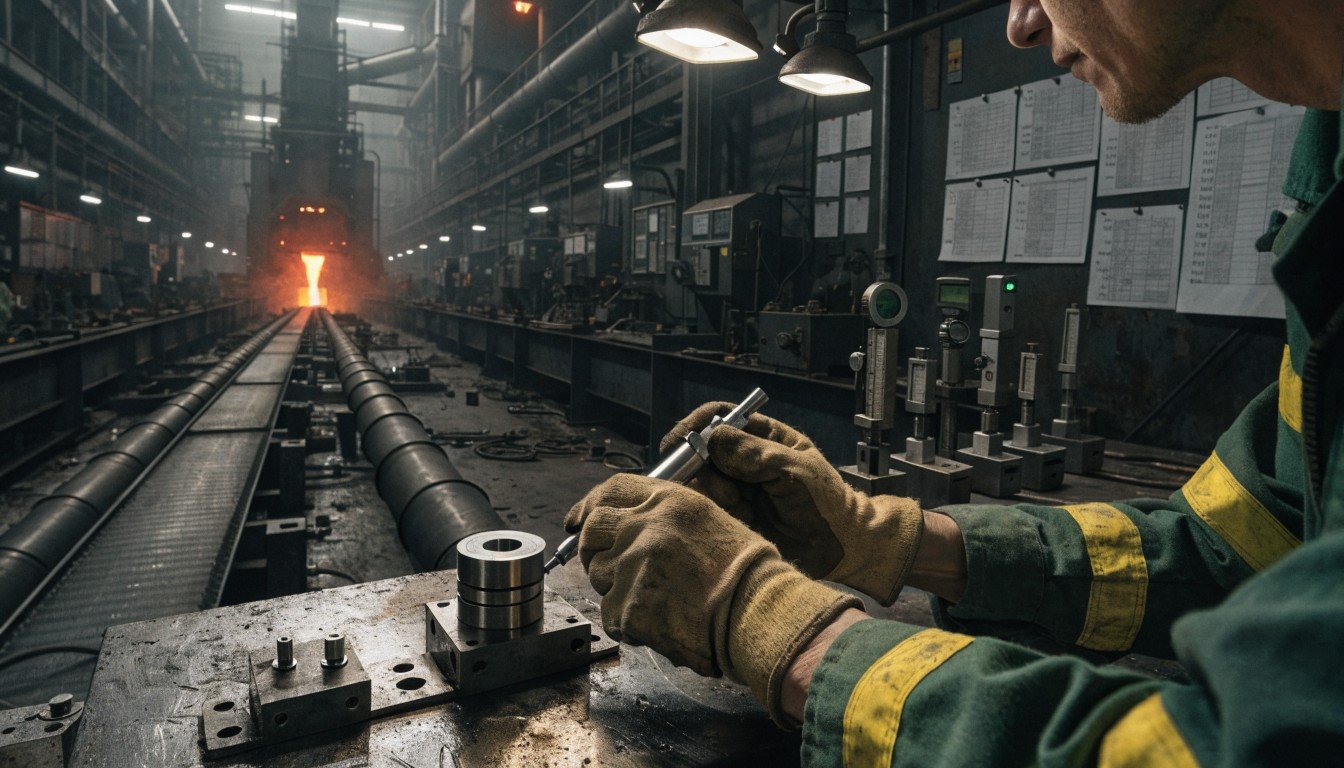
For galvanizing, chrome plating, electroplating, and metal processing facilities, heavy metal reduction, cyanide oxidation, and controlled precipitation guarantee output levels below limits for Cr, Ni, Zn, Cu, and CN.
Metal industry wastewater is categorized as the most dangerous type of industrial wastewater due to the presence of heavy metals (Cr6+, Cr3+, Ni, Zn, Cu, Pb, Cd) and cyanide. Even in low quantities, they pose serious risks to human and environmental health.
Typical parameters: pH 2-12 (acid/base baths), Cr6+ 50-500 mg/L, Ni 20-200 mg/L, Zn 50-300 mg/L, CN 10-100 mg/L, oil 50-300 mg/L, phosphate 100-1,000 mg/L. The wastewater volume is low (10-200 m³/day) but the concentrations are very high.
Therefore, metal treatment is based on the chemical reduction/oxidation + neutralization + precipitation flow. Biological treatment is not used due to metal toxicity; chemical treatment is essential. Arsistek designs industry-specific processes for galvanizing, hard chrome, zinc plating, decorative coating, and electronic PCB manufacturers.
Critical Properties of Metal Industry Wastewater
In the metal industry, wastewater source separation is required — each bath type requires a different chemical solution. Chromium waste requires reduction, cyanide waste requires oxidation, and acid-base baths only need neutralization. Separate collection lines are essential to avoid mixing.
Cr6+ (chromate, dichromate) is extremely toxic (carcinogenic). First, reduction to Cr3+ (SO2, NaHSO3, iron sulfate) is mandatory. It is then precipitated as hydroxide. Cr6+ can never be discharged directly on its own.
Cyanide does not decompose naturally either. It is first converted to cyanate and then to nitrogen and CO2 through alkaline chlorination (NaOCl + NaOH, pH > 10). At incorrect pH, HCN gas is released, which is lethal. A pH alarm system is critical in facility design.
Metal Treatment Process Flow
Wastewater lines are collected separately and processed sequentially:
- Chromium line: adjust pH to 2-3 → reduction of Cr6+ (SO2/NaHSO3, ORP < +250 mV)
- Cyanide line: pH 10-11 → oxidation with NaOCl + NaOH (ORP > +600 mV)
- Other heavy metals (Ni, Zn, Cu) are collected in a separate tank
- All lines combine in the neutralization tank (pH 8.5-9.5)
- Polymer dosing + flocculation
- Lamella or clarifier
- Sand filter + (if necessary) selective ion exchange
- Final pH adjustment + discharge
- Sludge dewatering (filter press)
Chemicals and Equipment Used
- Cr6+ reduction: Sodium metabisulfite (Na2S2O5), iron sulfate
- CN oxidation: Sodium hypochlorite (NaOCl 12%), caustic
- Neutralization: Slaked lime slurry Ca(OH)2 or NaOH
- Precipitation: Polyaluminum chloride (PAC) + polymer
- Advanced treatment: Resin ion exchanger (for Ni, Cu recovery)
- Equipment: ORP controlled dosing pumps, pH probe pair (emergency), filter press, lamella clarifier
- Automation: Instant control of pH/ORP/flow with SCADA + PLC
Hazardous Waste Management and Metal Recovery
Sludges produced from metal industry wastewater are classified as hazardous waste (CODE 19-08). It is mandatory to deliver them to licensed disposal facilities and to track them with the UATF (National Waste Transportation Form). The disposal cost is high (2,000-5,000 TL/ton). Therefore, minimizing sludge volume is important.
Valuable metals such as nickel and copper can be recovered using ion exchange resins or electrochemical cells. The recovered metal can be sold to certified recycling facilities, providing additional income. This investment pays back in 2-4 years.
Legal framework: Regulation on the Control of Hazardous Waste, SKKY Sector Table (Table 14 for galvanizing), Chemical Substances Regulation. An ISO 14001 environmental management system is also recommended for the facility.
Advantages of Metal Wastewater Solutions
Metal Sector References
References for heavy metal treatment completed in galvanizing, chrome plating, and electronic manufacturing facilities.
Frequently Asked Questions
Even for small galvanizing plants starting from 10 m³/day, a compact package system can be designed. Although the volume is small, high chemical density necessitates standard concentration management.
ORP (Oxidation-Reduction Potential) sensor enables real-time monitoring. When Cr6+ is completely reduced to Cr3+, the ORP drops below +250 mV. The automatic dosing pump operates based on this signal. A backup sensor + alarm is mandatory.
Absolutely not. If it comes into contact with acid, lethal HCN gas is formed. It must be treated with alkaline chlorination, and subsequently, the measurement must confirm CN < 0.1 mg/L. Inconsistent application may result in legal liability.
In metal processing facilities, there are residues of rolling oil and cutting fluid. UF membrane or cartridge filter is used for mechanical separation. Afterwards, the remaining emulsions are broken down with a chemical demulsifier.
Pure nickel is priced between $15-22/kg in the market. A facility recovering 200 kg of nickel monthly can generate an annual income of 40,000-50,000 USD. The resin investment pays for itself in 2-3 years.
Yes. In PCB production, ammoniac copper reducer, formaldehyde, and chelators such as EDTA are present. Chelated metals do not go away with standard hydroxide precipitation — acid breakdown + ozone oxidation is required. Special process design is important.