

























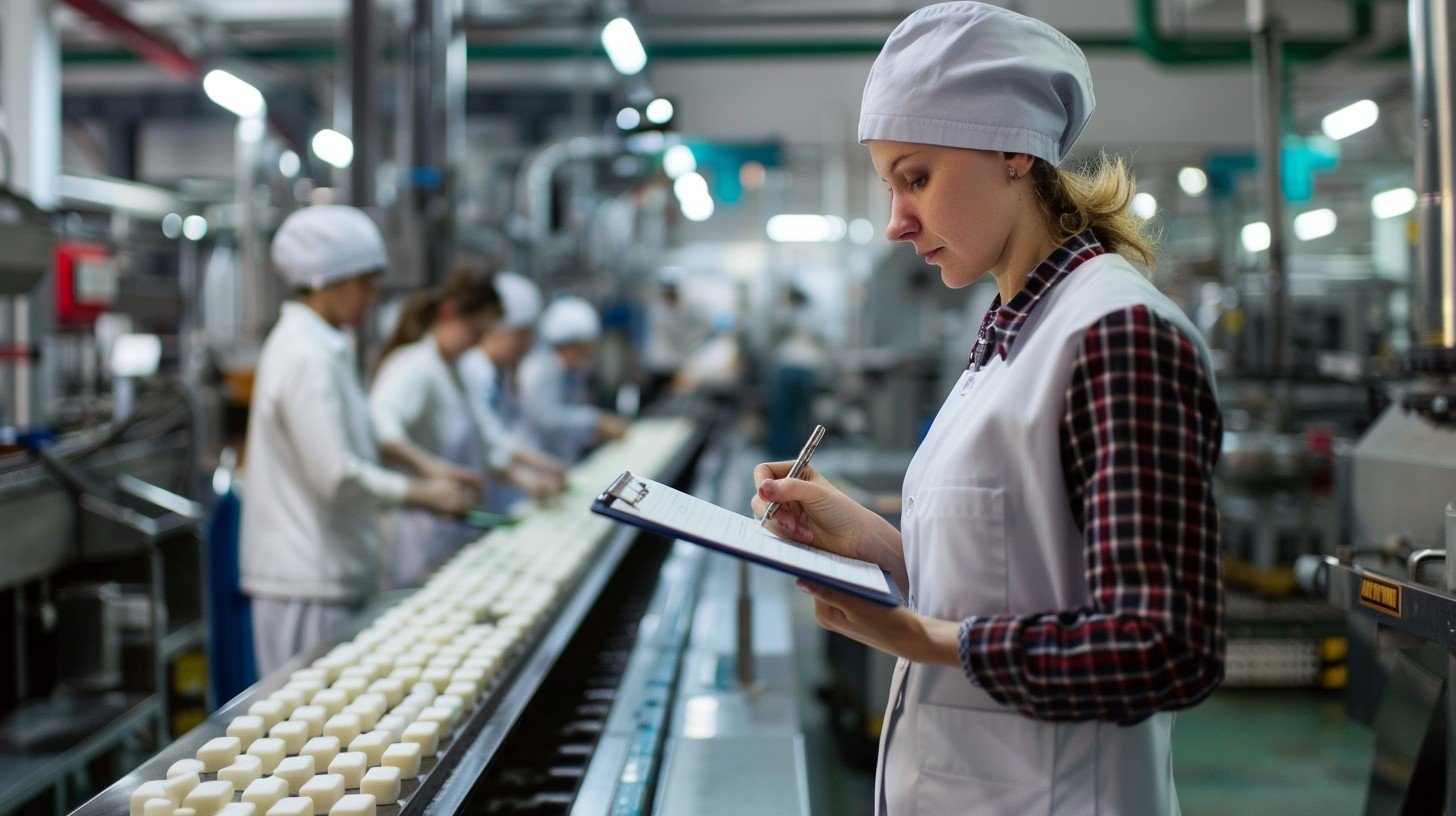
Anaerobic UASB + aerobic MBBR solutions that establish a high organic load + fat + seasonal flow balance for canned, frozen, ready meal, bakery, chocolate, and confectionery facilities. Provides energy gain with the option of biogas recovery.
Food industry wastewater inherently contains biologically degradable high organic load. This is both an advantage (biological treatment operates easily) and a disadvantage (uncontrolled discharge causes bad odor, flies, and anaerobic decay).
Typical parameters: KOİ 1,500-8,000 mg/L, BOİ 800-4,000 mg/L, oil-grease (FOG) 200-1,500 mg/L, total N 80-400 mg/L. Seasonal fluctuations (e.g., canning season, summer ice cream intensity) and day-night flow differences are pronounced.
Therefore, the food facility wastewater treatment system is designed as a combination of large balancing tank + DAF/oil separator + anaerobic (UASB/EGSB) + aerobic (MBBR/AS) + advanced treatment. The biogas produced in the anaerobic stage can significantly meet the facility's electricity and heat needs.
Food Facility Wastewater Profile
The food industry is a broad spectrum; a canned food facility experiences annual seasonal peaks, a frozen food factory continuously produces wash water, and bakery facilities contain high sugar and gluten. Ready meal facilities, on the other hand, generate wastewater rich in fats and proteins.
Common characteristics: high BOD/COD, biological degradability (BOD/COD > 0.5), alkaline shock during CIP washing periods, oil and grease density. An effective food treatment facility must be flexible against these fluctuations.
Carbohydrate-rich wastewaters (sugar, starch) quickly undergo anaerobic fermentation and even in storage tanks can create bad odors. Therefore, the balancing tank must be closed and ventilated.
Anaerobic + Aerobic Hybrid Process
Anaerobic stage removes high organic load without the need for oxygen, while also producing biogas:
- Pre-sedimentation + balancing
- pH neutralization
- DAF or oil separator (FOG < 50 mg/L)
- UASB or EGSB reactor (COD 80% removal, biogas output)
- Aerobic MBBR or activated sludge (remaining COD + nitrification)
- Final sedimentation
- Sand filter + UV
Biogas Recovery Details
The biogas obtained from the anaerobic UASB reactor contains 60-70% methane. A typical 5,000 m³/day food facility:
- Approximately 1,500-2,500 m³/day of biogas
- Equivalent to 8,000-12,000 kWh/day of energy
- Electricity + heat production in the cogeneration unit
- Close to 100% of the facility's boiler heat requirement
- Return on investment within 3-5 years
Food Sector Regulations and Halal Compliance
Food industry wastewater is regulated under SKKY Table 5 and Table 5.1. Discharge limits: COD < 160 mg/L, BOD < 50 mg/L, TSS < 100 mg/L, oil-grease < 20 mg/L. For halal certified facilities, the halal compliance of treatment chemicals is also important.
For anaerobic biogas production, EPDK Production License is exempt for facilities under 5 MW. You can use the produced electricity in your own facility or sell it to YEKDEM. It is also a valuable step for obtaining a carbon footprint reduction certificate.
In food facilities, the treatment plant process water should not be located near the HACCP/ISO 22000 area, and hygiene rules must also be applied to treatment operators.
Advantages of Food Wastewater Treatment Solutions
Our Reference Projects in the Food Sector
References for wastewater treatment plants we have completed in canned, frozen food, bakery, and ready meal factories.
Frequently Asked Questions
The formation of granular sludge in the UASB reactor takes 2-4 months. During this period, seed sludge is used. Full capacity is reached in 4-6 months. Once granular sludge is formed, it operates stably for years.
If concentrated caustic/acid CIP waste is directly fed into the biological tank, it will kill the bacteria. Therefore, separate CIP collection tank + controlled dosing is implemented. CIP batches are slowly added to the feed over 24-48 hours.
No. The facility operates under low load. To keep the biological tank alive, it switches to the endogenous metabolism phase; only aeration and mixing are performed. Full capacity recovery takes 1-2 weeks.
DAF (Dissolved Air Flotation) removes oil and grease at a rate of 99%. Even if the inlet is 1,500 mg/L, the outlet is reduced to < 20 mg/L. The collected oil mass can be provided as a co-substrate to the biogas tank.
Standard coagulants (FeCl3, aluminum sulfate) and polymers are halal compliant. Only ethanol-based chemicals (some antifoam) are excluded. Halal alternatives are available.
Yes. We have detailed sectoral pages for Dairy Plant and Juice. Sub-sectors such as canned goods, baking, chocolate, and frozen food are covered on this general page.