

























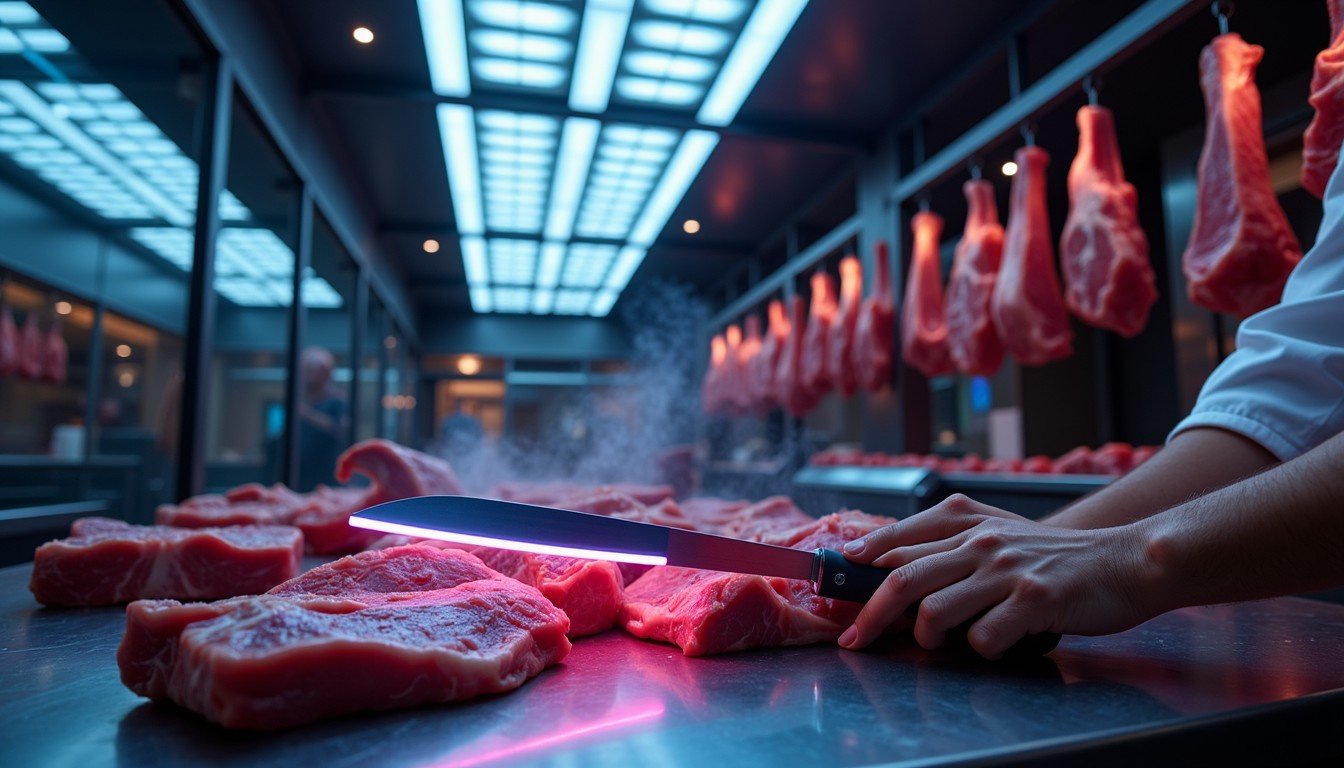
Slaughterhouse wastewater is characterized by high BOD, COD, oil, blood, and organic matter content, making it difficult to treat. Treatment is achieved in accordance with environmental standards through special process design.
Slaughterhouse Wastewater Treatment Plant
Slaughterhouse wastewater is highly organic wastewater generated from meat processing and slaughterhouse facilities. This wastewater contains large amounts of blood, fat, protein, fertilizer, animal manure, and various chemicals. Therefore, the design of a slaughterhouse wastewater treatment facility requires industry-specific expertise.
The BOD value of slaughterhouse wastewater is at extremely high levels, ranging from 1,500 to 5,000 mg/L, while the COD value ranges from 2,000 to 10,000 mg/L. Additionally, the oil and grease content varies between 100 and 1,000 mg/L. These pollutant parameters necessitate a process design that requires multiple treatment stages.
As a result, slaughterhouse wastewater treatment facilities include DAF (dissolved air flotation) oil separators, equalization tanks, biological treatment, anaerobic UASB reactors, and final sedimentation stages. Furthermore, high-quality effluent can be obtained with MBR systems. The recovered water can be reused in the facility for washing, cooling, and irrigation purposes.
Our slaughterhouse wastewater treatment facilities are designed in accordance with the discharge standards of the Ministry of Environment. Additionally, energy recovery from organic waste can be achieved with the option of biogas production. The facility capacity is designed to range from 10 m³ to 5,000 m³ per day.

Wastewater Characteristics and Treatment Process
- Wastewater Character: BOD 1,500-5,000 mg/L, COD 2,000-10,000 mg/L
- Oil-Fat Content: 100-1,000 mg/L high concentration
- SS: 500-3,000 mg/L suspended solids
- DAF Unit: Oil separation with dissolved air flotation
- Equalization: Flow and pH equalization tank
- Biological Treatment: Aerobic activated sludge or SBR
- Anaerobic Option: Biogas production with UASB reactor
- Final Sedimentation: Lamella or conventional sedimentation
Discharge Standards and Application Details
- Slaughterhouse Facilities: Wastewater from cattle and sheep slaughtering
- Poultry Facilities: Chicken and turkey slaughtering and processing
- Meat Processing: Wastewater from sausage, sucuk, and salami production
- Offal Processing: Cleaning and processing of intestines
- Effluent BOD: <50 mg/L discharge standard
- Effluent COD: <250 mg/L discharge standard
- Biogas: Renewable energy with 40% methane content
- Recovery: Reuse as washing and irrigation water
How is Slaughterhouse Wastewater Treated?
The wastewater treatment process in a slaughterhouse begins with the passage of wastewater through a screen. In addition, bone fragments and large solid materials are separated. Then, in the DAF (Dissolved Air Flotation) unit, oil and grease are removed with the help of a coagulant.
In the second stage, flow and pH are balanced in the equalization tank. The pH of slaughterhouse wastewater ranges between 6-8. It is then transferred to the biological reactor. The aerobic system breaks down the high BOD load with microorganisms.
As a result, clean water is obtained through final sedimentation or membrane filtration. Moreover, in facilities using anaerobic UASB reactors, biogas is produced from organic waste. This biogas can meet 30-50% of the facility's energy needs. The effluent passes through an oil separation system to achieve clean water standards.

Advantages of Our Solution
Project Gallery
8 visuals will be added soon — stay tuned for our reference projects and facility photos.

Frequently Asked Questions
The high oil-grease content found in slaughterhouse wastewater negatively affects biological treatment. Therefore, oil and grease are removed at a rate of 99% using DAF (Dissolved Air Flotation). This ensures stable operation of biological treatment and protects membrane systems.
Organic materials are broken down in anaerobic UASB or CSTR reactors in an oxygen-free environment. As a result, biogas containing methane is produced. This biogas meets a significant portion of the facility's electricity and heat needs. Moreover, it operates in integration with biological treatment.
The main pollutants of slaughterhouse wastewater are blood (a high BOD source), fats and greases, animal waste, manure, stomach contents, meat pieces, and cleaning chemicals. In addition, temperature and pH variations are observed depending on the season.
Our slaughterhouse wastewater treatment plants are designed with capacities ranging from 10 m³/day to 5,000 m³/day. We offer compact package systems for small slaughterhouses and modular advanced treatment solutions for large integrated facilities.
The discharge water complies with the discharge standards of Table 5.5 of the Turkish Water Pollution Control Regulation (slaughterhouse sector). BOD <50 mg/L, COD <250 mg/L, oil-grease <20 mg/L values are achieved. MBR systems also allow for the recovery of water at a quality level.
The facility cost is calculated specifically for the project based on flow rate, wastewater characteristics, selected processes, and desired output quality. After wastewater analysis, a detailed exploration and proposal are presented. You can receive a free engineering assessment by contacting us.